

You probably have one you wear on repeat. It hangs at your collarbone. It works with a T-shirt as well as a dress. You reach for it without thinking. That’s the power of a pendant. Still, people often ask, what is a pendant necklace exactly? At Mighty Dainty, we think about that question often because pendants show up in so many forms. Let’s break down what defines one, the different styles you’ll see, and how to wear it in a way that feels like you.
What Makes a Necklace a Pendant?

So, what is a pendant necklace in simple terms?
It’s a necklace with a central piece that hangs from a chain. That hanging piece is the pendant. The chain supports it, frames it, and determines where it sits on your neckline.
The pendant can take many forms. It might hold a stone. It might carry a name, an initial, or even a photo. However, the defining feature stays the same. The focal point hangs independently from the chain rather than forming part of the chain itself.
When people ask what is a pendant necklace, they usually compare it to other necklace types. A choker sits close to the neck and often lacks a central drop. A chain necklace may have texture or links as the main feature. A pendant necklace, by contrast, draws the eye to one suspended element.
That simple structure gives it flexibility. You can change the chain length. You can swap pendants. And you can choose something bold or something subtle. Because of that, pendant necklace styles range widely, yet the format remains consistent.
Types of Pendant Necklaces
If you’re still asking what is a pendant necklace in terms of variety, this is where it gets interesting. Here are common types of pendant necklaces you’ll see:
- Symbol pendants: These feature recognizable shapes like suns, moons, evil eyes, or crosses. People choose them for personal connection or visual appeal. They usually sit flat and read clearly from a distance.
- Nature-inspired pendants: Butterflies, bees, leaves, and pearls fall into this group. These designs often include organic curves and softer lines. They work well for daily wear because they feel familiar and easy to pair.
- Stone pendants: These center around a gemstone or crystal. The stone becomes the focal point. Shape and color drive the look, whether it’s round, oval, or eye-shaped.
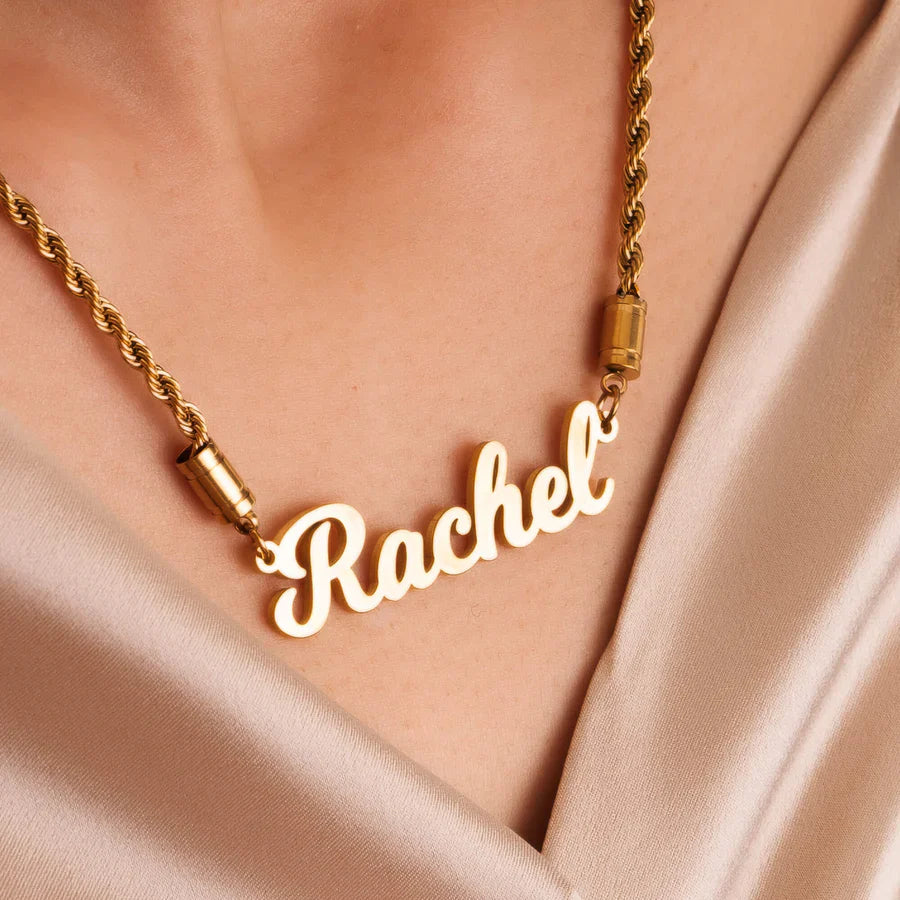
- Initial and name pendants: Letters or full names create a direct personal link. People often choose these for themselves or as gifts. Placement and font style change the overall feel significantly.
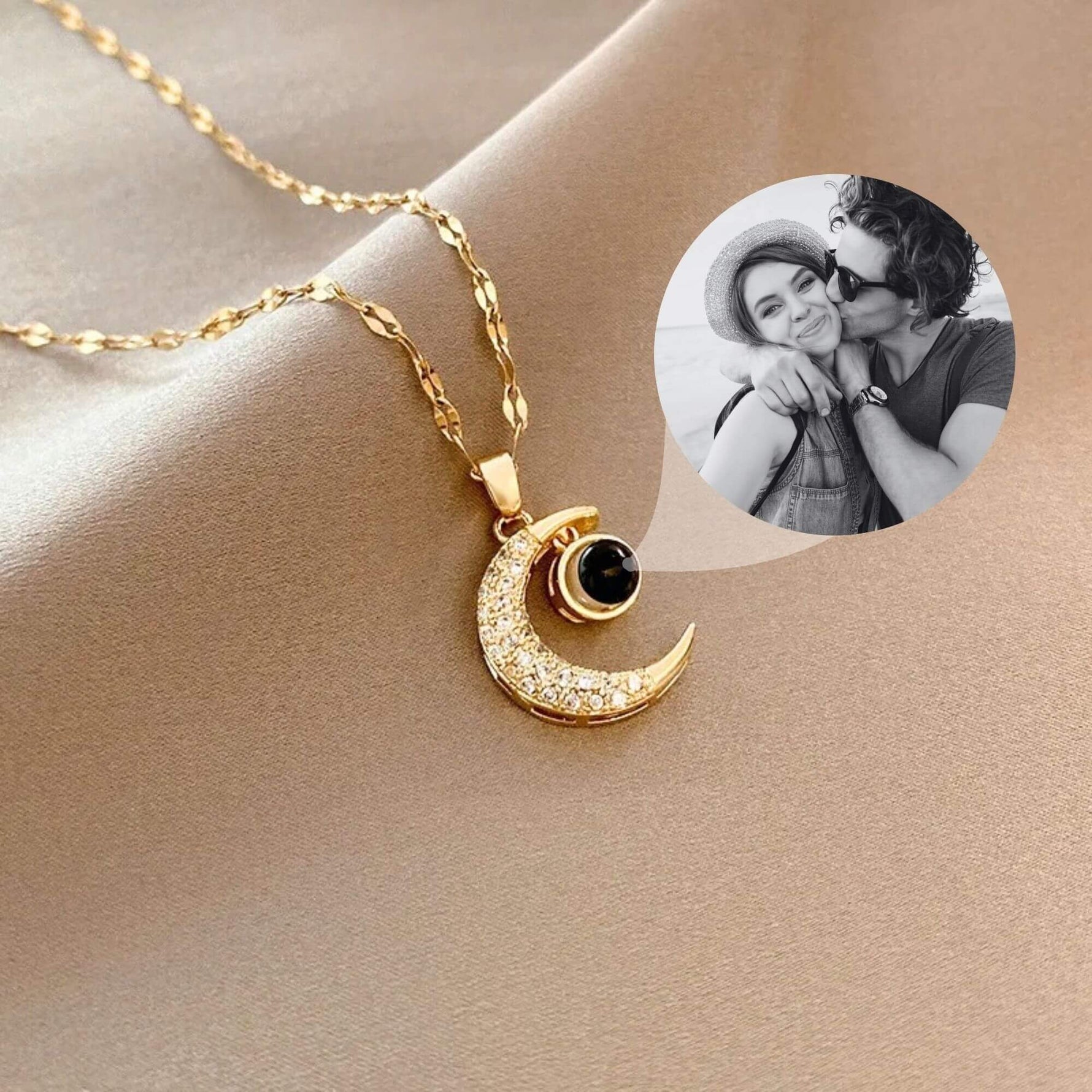
- Photo and locket pendants: These designs hold an image inside the pendant itself. Projection styles seal the photo within the structure and reveal it through light or close viewing. Lockets open on a hinge and hold small printed photos or messages inside. In both cases, the image stays close to you, and you decide when and how to reveal it.
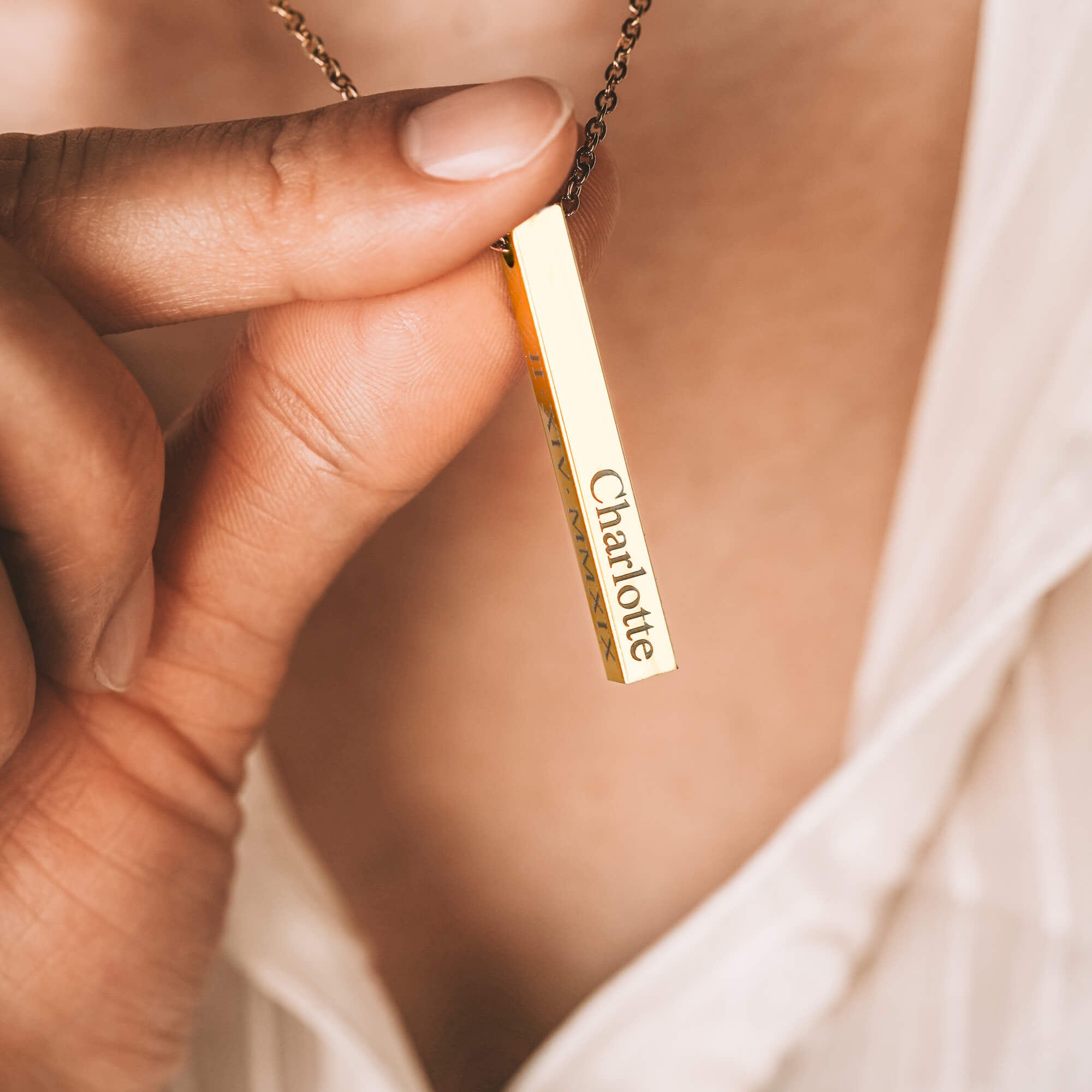
- Bar pendants: These feature a slim vertical or horizontal bar. People often engrave them with names, dates, or short phrases. The design stays clean and linear, with the message displayed on the surface.
As you can see, the format stays consistent, yet the personality shifts depending on the pendant itself. That variety makes it easy to find one that fits your daily routine.
Understanding Pendant Necklace Meaning
Once you understand what is a pendant necklace structurally, the next layer involves meaning.
The meaning of a pendant necklace often connects to the symbol or detail chosen. For example, someone might wear an initial to represent their child. Another person might choose a sun symbol because it feels hopeful or energizing. Meanwhile, a photo pendant carries a very specific memory.
However, meaning rarely follows strict rules. One person’s butterfly may represent change. Another person may simply like the shape. Both choices hold value because the wearer assigns it.
That’s the beauty of this format. When someone asks what is a pendant necklace beyond design, the answer often includes identity. The pendant becomes a small marker of something personal. It might signal faith, family, resilience, or even humor.
How to Wear a Pendant Necklace
Understanding what is a pendant necklace is one thing. Figuring out when and how to wear it is another. Here’s a styling guide for pendant necklaces to help you think it through.
- Choose the right chain length: Shorter chains sit near the collarbone and feel classic. Medium lengths rest slightly lower and pair well with open necklines. Longer chains create movement and work over sweaters.
- Match scale to outfit: A larger pendant pairs well with simple tops. A smaller piece blends easily with patterned clothing. Proportion keeps everything balanced visually.
- Wear it solo for focus: A single pendant draws attention to the center of your neckline. This works well when the pendant carries meaning or detail.
- Layer with intention: Combine different chain lengths to create depth. Keep pendants spaced so they don’t overlap awkwardly. Mixing shapes adds dimension.
- Consider metal tone: Gold reads warm. Silver feels cooler. You can mix metals, but repeat each tone at least once to create cohesion.
- Think about your day: For work, a smaller or minimalist pendant necklace often feels appropriate. For evenings or events, you might reach for something slightly bolder.
There’s no single right way to wear one. The setting, your outfit, and the pendant itself all play a role. These guidelines simply give you a place to start.
How to Choose the Right Pendant for You
At some point, the question becomes personal. What is a pendant necklace for you specifically? Here’s what to think about:
- Proportion: Hold the pendant against your neckline and check how it sits. A smaller piece feels subtle. A larger one draws more attention. Scale changes the entire look.
- Weight and comfort: Pick it up and feel the weight. A good pendant feels solid but easy on your neck.
- Frequency of wear: If you plan to wear it often, durability should guide your choice. If you rotate pieces, you can focus more on design and detail.
- Meaning: Decide whether you want a personal detail, like a photo or name. You might also prefer a symbol or stone that fits your style visually.
- Your wardrobe: Think about what you wear most. A pendant that works with your usual necklines will get more use.
When you answer those questions honestly, choosing feels easier. The right piece usually becomes obvious once you see how it fits your life.
Why Mighty Dainty Pendant Necklaces Feel Personal

At Mighty Dainty, we design and craft our pendant necklaces in California. We think about how they sit on the collarbone. We think about how they move during the day. And we also think about the meaning someone might attach to them.
Some people choose a symbol. Others choose a stone, a name, or a photo. Every pendant carries a different reason. That’s what makes this format so lasting.
So when someone asks what is a pendant necklace, the answer feels simple. It’s a chain with something hanging from it. However, the better answer is this: it’s a small piece of design that holds attention right at the center.
When it’s made thoughtfully and chosen carefully, it becomes something you reach for often. Not because you have to. Because it feels like yours.
Frequently Asked Questions (FAQs)
-
What is a pendant necklace?
A pendant necklace includes a chain with a separate decorative piece that hangs from it. The pendant moves independently from the chain and becomes the focal point at the center.
-
What is the difference between a pendant and a charm?
A pendant usually serves as the main focal point of a necklace. If you’re wondering what is a pendant necklace, it’s simply a chain with that single hanging piece at the center. A charm, on the other hand, is typically smaller and often added alongside other charms. Pendants tend to stand alone, while charms are commonly grouped together on the same chain.
-
Are pendant necklaces still in style?
Pendant necklaces continue to stay relevant because they adapt easily to trends. While shapes and sizes shift over time, the format itself remains popular.
-
How do you layer a pendant necklace?
Start with different chain lengths to create spacing. Keep one pendant as the focal point, then add simpler chains above or below it. This prevents tangling and keeps the look intentional.