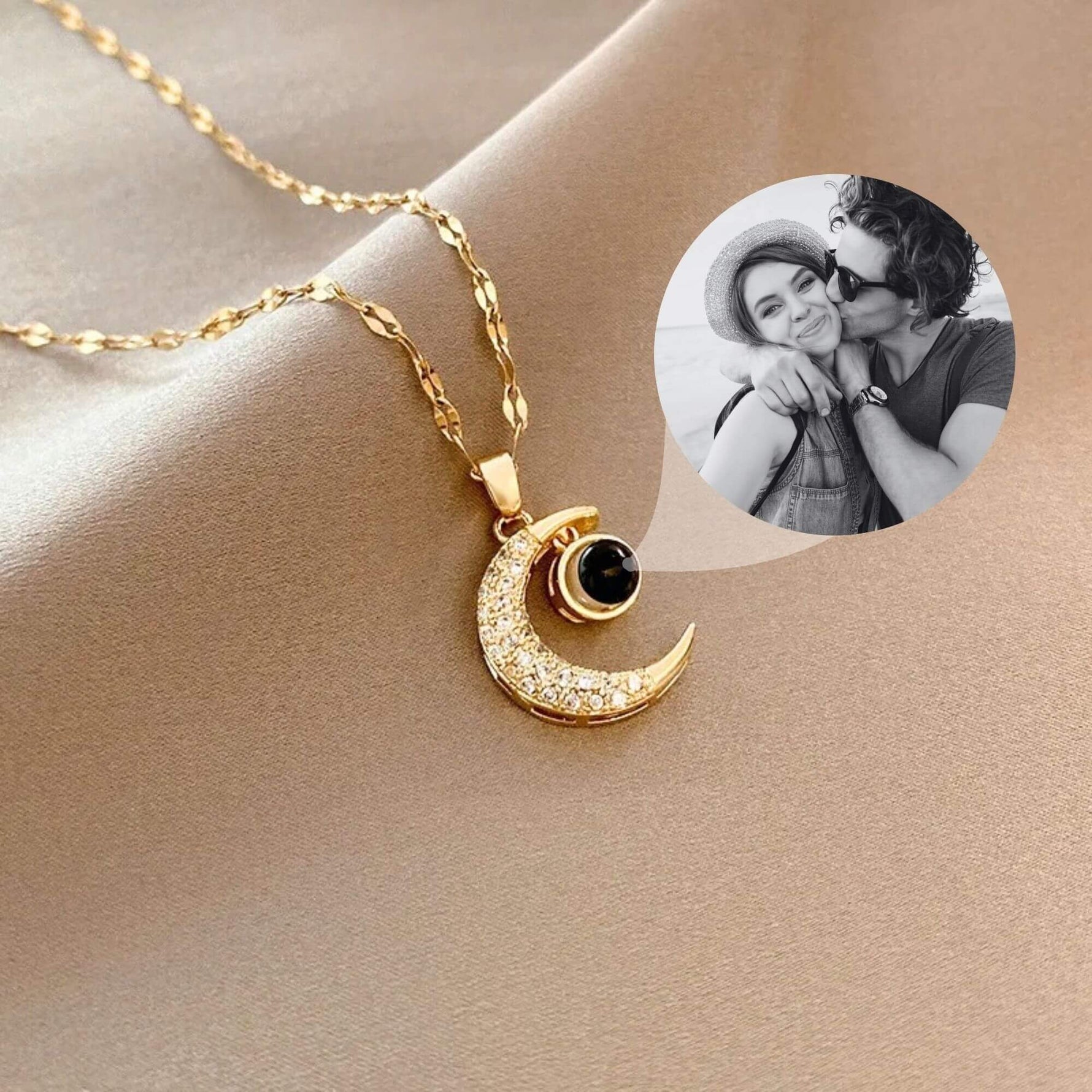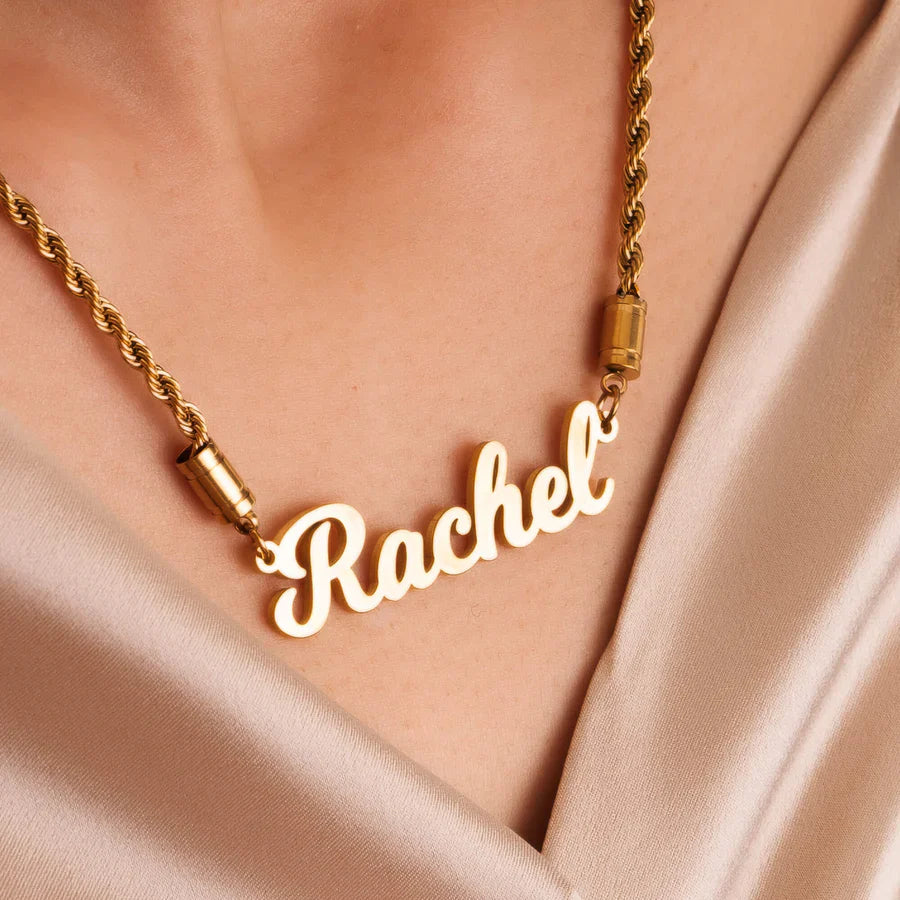
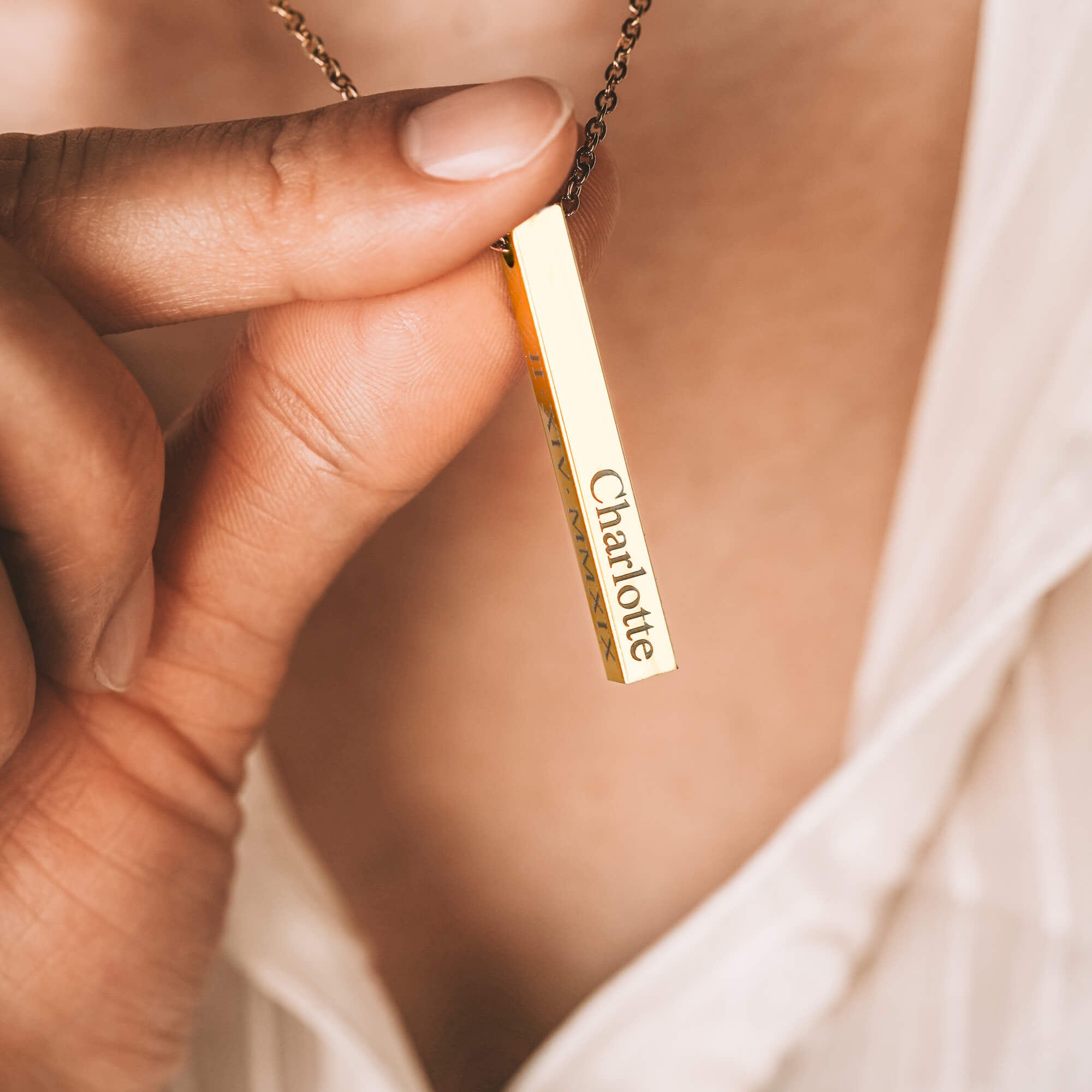


Sometimes the smallest detail says the most. A fingerprint can bring one person to mind immediately, while a photograph can take you back to an entire scene. That difference sits at the heart of fingerprint jewelry vs. photo jewelry: one preserves a physical mark, while the other keeps an image you already associate with a person, pet, place, or day.
Mighty Dainty offers both types of keepsakes, which leaves one useful question to answer: which format makes sense for the memory you have in mind?
Quick answer: Choose a fingerprint necklace to preserve one person’s physical mark or a more private connection. Choose a photo necklace to keep a face, pet, relationship, or particular moment visible.
Fingerprint Necklace vs. Photo Necklace: Key Differences at a Glance
If you’re comparing fingerprint jewelry vs. photo jewelry, the details below matter more than deciding which option feels “more personal.” Both can carry plenty of meaning; they simply use different material to get there.
|
Consideration |
Fingerprint Necklace |
Photo Necklace |
|
What you provide |
A fingerprint image, such as an ink impression, scan, clear photo, or digital file |
A photograph you want included in the piece |
|
What the piece captures |
The individual ridge pattern of a person’s fingerprint |
The subjects and details visible in the photograph |
|
How it appears |
The fingerprint pattern becomes part of the pendant design |
The image appears in the jewelry, with the viewing method depending on the design |
|
Design possibilities |
Heart, oval, bar, and other pendant forms |
Lockets, shaped photo pendants, and projection designs |
The main difference starts with what you want the necklace to carry. A fingerprint preserves one person’s physical mark, while a photograph can retain more of the scene around a memory.
How Personalization Works in Fingerprint and Photo Jewelry

One useful difference in fingerprint jewelry vs. photo jewelry is how your personal material becomes part of the necklace. A fingerprint turns a physical mark into the design itself, while a photo remains an image you can view through or inside the piece.
With fingerprint jewelry, the individual ridge pattern gives the pendant its identifying detail. The design comes from a real print belonging to a specific person. That connection can matter even more when the necklace is made in memory of someone, since memorial fingerprint jewelry can preserve their actual fingerprint as part of the design.
Photo jewelry works differently. The photograph remains recognizable as an image, so the original visual information stays central to the personalization. How you view it then depends on the necklace design.
For example, a locket holds the photo inside the pendant, while a photo projection necklace presents the image in a different way. That makes the format part of the decision: you’re choosing both the image and how you want to see it when you wear the necklace.
Which Keepsake Fits the Memory You Want to Preserve?
The useful question isn’t which option carries more meaning. It’s where that meaning comes from. When choosing between fingerprint jewelry vs. photo jewelry, consider whether the connection lives in the person’s physical mark or in something captured at a particular moment.
- Choose based on identity or context. A fingerprint removes the surroundings and focuses entirely on one person’s identifying detail. A photo keeps context in the frame, which can matter when an expression, interaction, or setting is part of what makes the memory specific.
- Think about how private you want the meaning to be. A fingerprint can look like a design to someone who doesn’t know its story. A recognizable photograph communicates more immediately. That difference matters if you prefer jewelry whose significance stays mostly between you and the people who know it.
- Consider whether the memory belongs to one person or to a relationship. Fingerprints work particularly well when one individual is at the center of the keepsake. A photograph can preserve an interaction between people, which may matter more when the relationship itself is what you want represented.
- Ask whether one moment matters more than a lasting connection. A photograph records a particular point in time. A fingerprint isn’t tied to one event, so it can represent the person more broadly rather than taking you back to a single day.
The distinction is subtle but useful: a fingerprint can represent who, while a photograph can preserve more of when, where, and together with whom. That gives you a better basis for choosing than trying to decide which format feels more meaningful.
Choosing a Custom Photo Necklace or Fingerprint Necklace as a Gift
Buying personalized jewelry for someone else takes a little more planning when you want the gift to stay a surprise. Access can shape the choice between fingerprint jewelry vs. photo jewelry: you may already have the photo you need, while getting the right fingerprint can take some detective work.
A photo is usually easier to source discreetly. You may already have the original image, or someone close to the recipient may be able to help. This also gives you more options when the gift involves several family members or a pet.
A fingerprint can require more planning. However, you may already have access to one through a saved ink impression, a child’s artwork, or another existing print. If you need to ask the person directly for a fingerprint, you’ll also need to decide how important the surprise is.
The person buying the gift and the person receiving it may value different memories. A photo you love might hold a different meaning for her. Think about the people or moments she talks about most, and choose an image that reflects what matters to her.
Fingerprint gifts raise a similar question: whose print should the necklace carry? A partner’s, child’s, parent’s, or another loved one’s fingerprint changes the meaning of the piece. Decide on that relationship first, then choose the necklace around it.
For a gift, access is only half the decision. The stronger clue is whose memory the necklace is meant to hold: yours, the recipient’s, or one you share.
What Makes a Fingerprint or Photo Work Well on Jewelry?
Once you’ve chosen the type of keepsake, take a close look at what you plan to submit. Source quality affects fingerprint jewelry vs. photo jewelry in different ways: fingerprints need readable ridge lines, while photos need important details that remain clear at a small size.
- Check the fingerprint pattern, not just the overall image. The ridge lines need enough definition for the individual pattern to come through. Depending on the piece and submission requirements, usable sources may include ink impressions, scans, clear photos, or digital fingerprint files. Compare the versions you have and start with the clearest one.
- Check whether important photo details still read at a small size. Fine details that look clear across a large screen can disappear inside a pendant. Zoom out and see whether the faces or other important features remain easy to identify.
- Crop for the pendant rather than the original photo. Extra background can take valuable space away from the subject, especially in group photos. The pendant shape matters here too: an image that works in an oval may need a different crop for a heart or round design.
- Use the best original you can find. Screenshots, forwarded images, and repeatedly saved copies can lose detail along the way. If several versions exist, compare them before submitting one rather than assuming the newest copy is the best.
You’re looking for usable detail, not a technically perfect image. A few minutes spent comparing files and checking the crop can make the source much better suited to a small piece of jewelry.
Discover Personalized Keepsake Jewelry at Mighty Dainty

The best personalized keepsake jewelry starts with the detail you want to hold close. Explore Mighty Dainty’s fingerprint necklaces, photo lockets, and projection necklaces to find a format that suits your memory.
Explore Mighty Dainty’s collections to turn a fingerprint or photo that matters to you into a piece you can wear and keep close.
Frequently Asked Questions (FAQs)
-
Can you make fingerprint jewelry from an old fingerprint?
Yes. A clear existing fingerprint may work for fingerprint jewelry, depending on the quality of the image. Sources can include ink impressions, scans, digital files, or clear photographs of a print. The important factor is whether the fingerprint contains enough visible ridge detail to reproduce the individual pattern.
-
Can fingerprint jewelry be made from a deceased person’s fingerprint?
Yes, if you have access to a usable fingerprint. Families may already have a fingerprint from a keepsake, fingerprint card, or another record. Whether it can be used depends on how clearly the ridge pattern appears, so check the quality of the available print before choosing a design.
-
What photo works best for a photo necklace?
A clear photo with a well-defined subject usually works best for a photo necklace. Choose an image where faces or other important details remain recognizable at a small size. Close-up photos often translate better than wide images with busy backgrounds, especially when the pendant has limited space.
-
Can you put more than one person in a photo necklace?
Yes, a photo necklace can feature more than one person if the chosen image and pendant format provide enough room. For group photos, choose an image where faces appear close together and remain clear when reduced in size. Cropping unnecessary background can also give the people in the photo more space.
-
What is the difference between a photo locket and a projection necklace?
A photo locket stores a photograph inside an opening pendant, while a projection necklace uses a viewing element to reveal the image. With a locket, you open the pendant to see the photo; with a projection design, you view the image through the necklace’s projection feature.
-
How do you get a fingerprint for a fingerprint necklace?
You can create a fingerprint using ink and paper, then scan or photograph the result clearly. Depending on the jewelry maker’s requirements, an existing scan, photograph, or digital fingerprint file may also work. Aim for a print with visible ridge lines and a clear central pattern.