

Be honest. If you put your favorite photo in a necklace, you’re going to wear it a lot. You’ll wear it to work. You’ll wear it to dinner. And you’ll reach for it on random Tuesdays when you just want it close. That’s exactly why durability matters. And that’s also how we think about it at Mighty Dainty. A durable photo projection necklace should handle real life. It should keep the image clear and the metal looking good. Let’s break down how these necklaces are built and whether fading is something you actually need to worry about.
What Is a Photo Projection Necklace, Really?
Before we talk about fading, it helps to understand what’s actually happening inside the pendant.
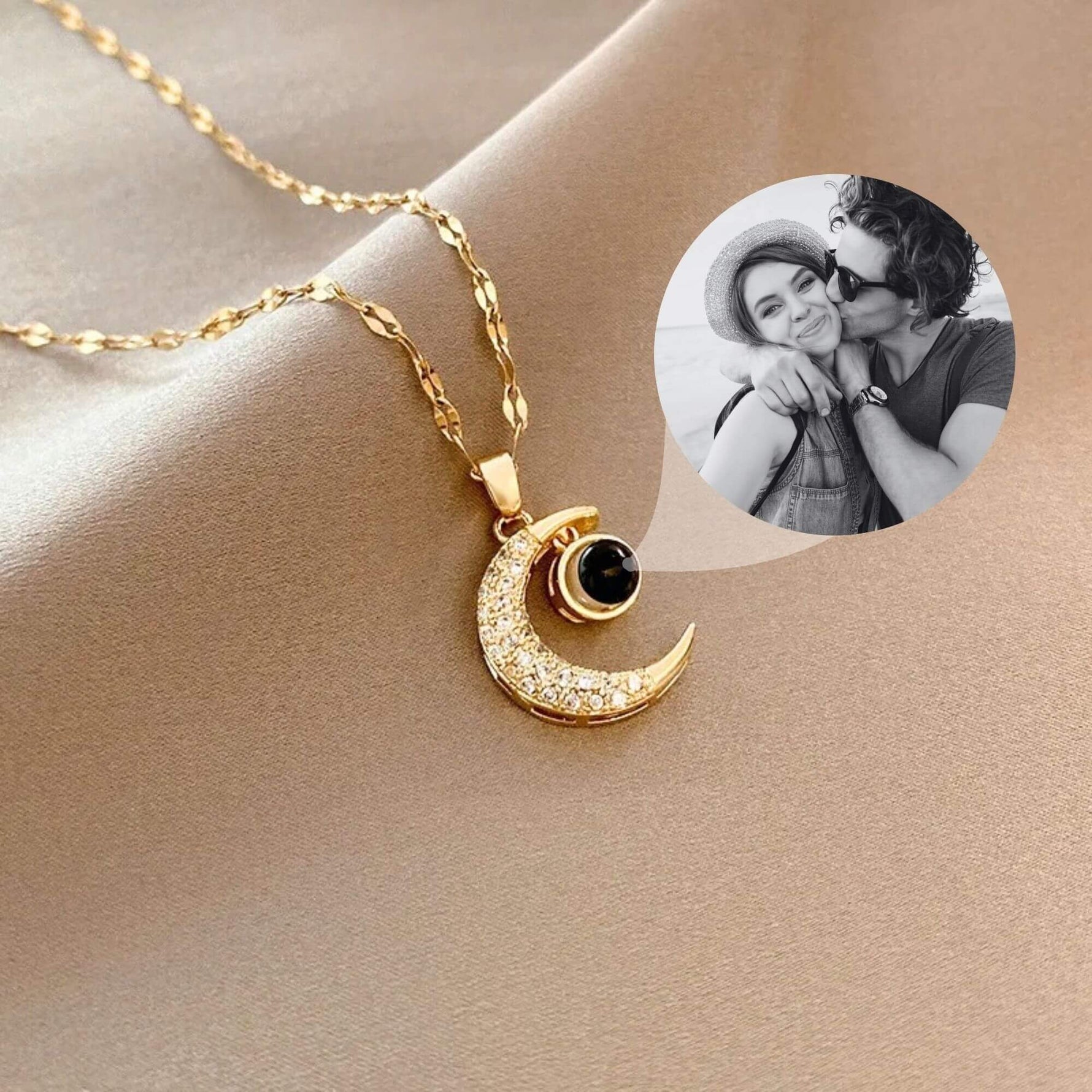
A durable photo projection necklace holds a tiny version of your image inside a small optical lens. When light passes through it, the photo projects onto a wall. You can also look through the stone itself or use your phone camera to see the image clearly.
The important part? The photo sits inside the lens. You aren’t touching the image when you wear it. You’re touching the smooth surface of the stone and the surrounding metal. That design changes the durability conversation completely. Once you understand how a photo projection necklace works, you can see that daily wear affects the outer materials first, not the photo inside.
Does Projection Necklace Fade Over Time?

This is where most people pause.
When someone asks about fading, they usually mean one of two things. They’re wondering if the photo will blur. Or they’re wondering if the metal will lose its color.
The image itself stays sealed inside the projection lens. Since it’s enclosed, it avoids friction from skin, fabric, and daily handling. As long as the photo is prepared correctly and the lens is properly sealed, clarity stays consistent.
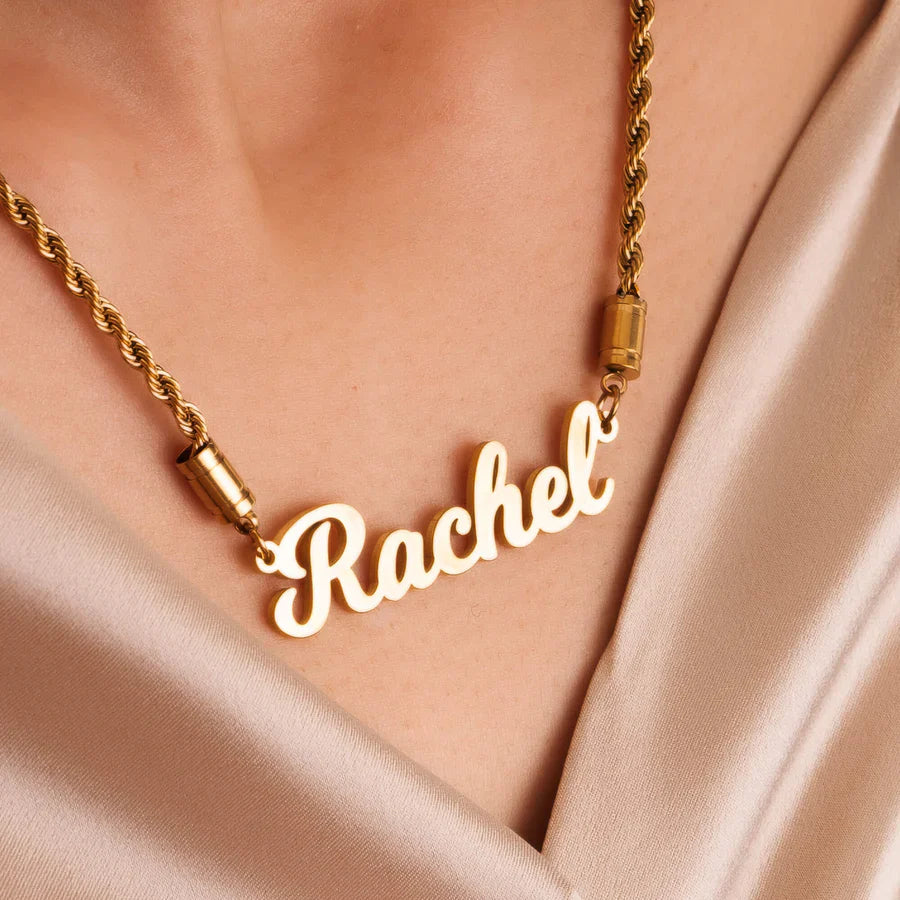
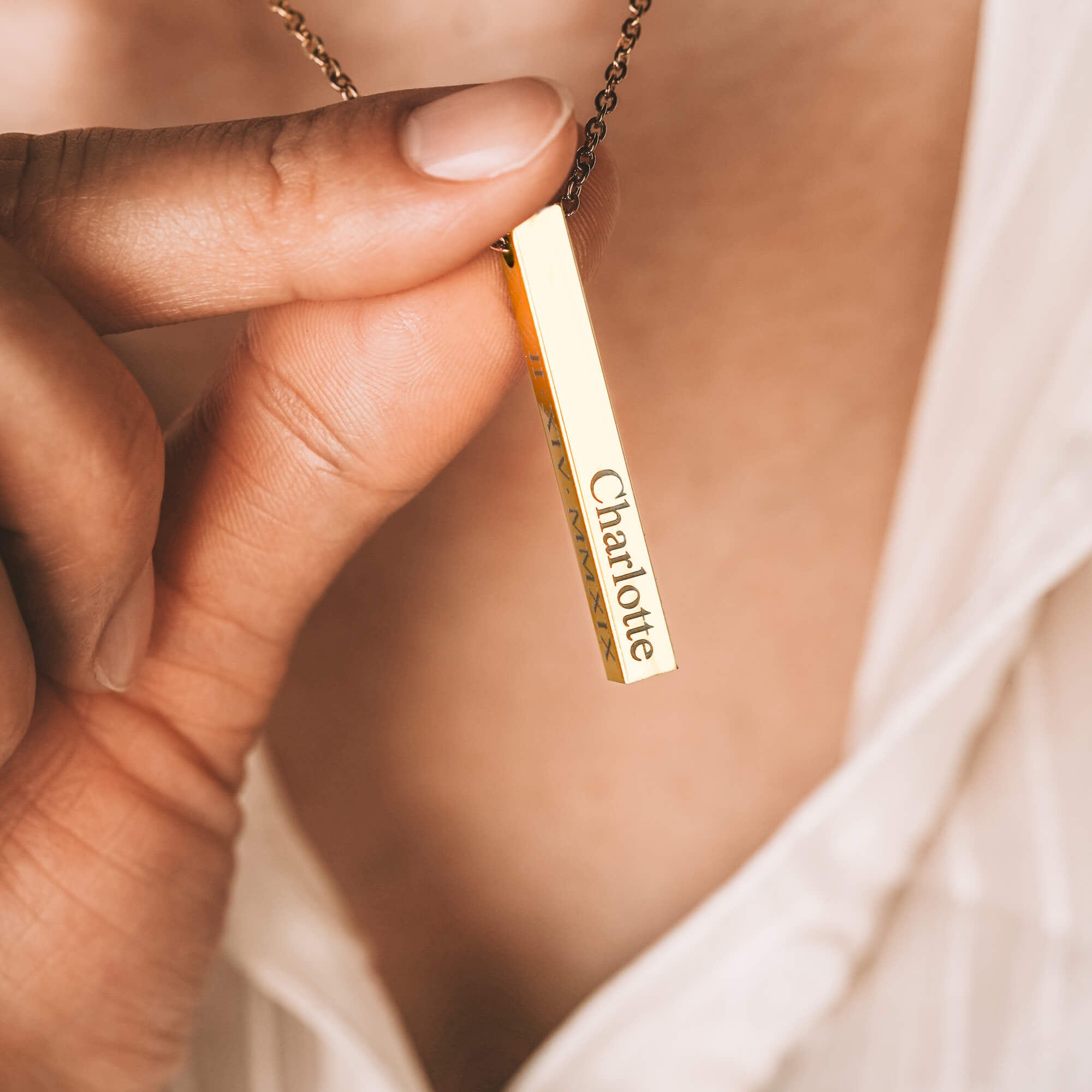
The metal is a different story. Gold vermeil can show gentle wear over time, especially where it rubs against skin or clothing. Sterling silver may develop a natural patina. Stainless steel tends to hold its surface very well.
So yes, materials matter. A durable photo projection necklace built with strong metals and proper sealing holds up far better than one made with lightweight components. In most cases, fading shows up on the exterior finish long before anything happens to the image itself.
Understanding Photo Projection Necklace Durability
If you plan to wear it often, durability comes down to construction. Small details make a big difference.
- Solid base metal: Sterling silver or stainless steel gives the pendant structure. The setting keeps its shape instead of bending over time.
- Thick gold vermeil plating: A heavier layer of gold maintains its color longer with regular wear.
- Secure stone setting: A well-formed bezel holds the projection lens firmly in place, even with movement.
- Proper lens sealing: Clean sealing protects the micro image inside the stone from moisture exposure.
- Strong chain links: Evenly soldered links handle daily movement better and reduce stretching.
- Reliable clasp: A clasp that closes smoothly and stays secure keeps the necklace where it belongs.
When all of these pieces work together, you get a long lasting photo projection necklace that feels solid in your hand and comfortable on your neck.
How Long Should a Quality Projection Necklace Last?
A durable photo projection necklace made with quality materials can stay in rotation for years.
If you wear it daily, you’ll see normal surface changes over time. That’s part of wearing jewelry often. The projection image stays protected inside the lens throughout that process.
Many people choose an everyday photo projection necklace because they want that photo close all the time. In that case, choosing strong materials from the start makes sense. With consistent care, it easily becomes one of the best photo projection necklaces you own simply because it keeps doing its job.
Simple Ways to Care for Your Necklace
A few habits go a long way.
- Apply perfume and lotion before putting it on.
- Wipe the metal gently after wearing.
- Store it in a soft pouch to reduce friction.
- Lay the chain flat when traveling.
- Fasten and remove it with both hands to protect the links.
If you wear a durable photo projection necklace most days, these small steps help it keep looking good.
Why Mighty Dainty Photo Projection Necklaces Hold Up

At Mighty Dainty, we design and craft each durable photo projection necklace in California. We stay hands-on because the small details matter.
We prepare every image carefully before placing it inside the projection lens. Then we seal it and secure it in a setting that holds it firmly in place. The stone feels smooth. The piece feels solid.
We build these for regular wear. The chains feel secure. The clasps close cleanly. Before shipping, we check the projection for clarity and alignment so it works the first time you hold it up to the light.
A durable photo projection necklace should feel dependable from day one. That’s the whole idea.
Frequently Asked Questions (FAQs)
-
How long does a photo projection necklace last?
A well-made piece can last for years. Longevity depends on material quality, plating thickness, and how often you wear it. The image stays protected inside the lens, while the metal may show gradual surface changes with regular use.
-
Does the picture inside a projection necklace fade?
The image sits sealed inside the projection stone, so it isn’t exposed to direct contact. When it’s prepared and sealed correctly, the photo maintains its clarity. Most visible wear happens on the outer metal rather than the image itself.
-
Why is my projection necklace losing its shine?
Daily contact with skin, lotion, and friction can dull the metal slightly. Gently wiping it after wearing and storing it properly helps maintain its appearance.
-
What makes a projection necklace durable?
Strong base materials, secure stone settings, and dependable chains all contribute to longevity. A durable photo projection necklace feels solid, sits securely, and holds up with regular wear.
-
How do you see the photo clearly inside the necklace?
You can look directly through the stone, shine a light through it onto a wall, or use your phone camera to focus on the lens. Clear viewing depends on how the image was prepared and aligned during production.